
Welcome to the first official post from the Sisterhood of St. John the Divine’s Convent Blog! Stay up to date on events and activities at the Convent, hear from sisters, staff, and others, or just take a pause from your day to day to find a few moment’s quiet contemplation. You can subscribe to receive new blog posts directly in your inbox here. Writing to you today is Emmanuelle, the Communications and Reception coordinator. You can usually find me in my office wrestling with WordPress, or helping Jeanette in the Guest House!
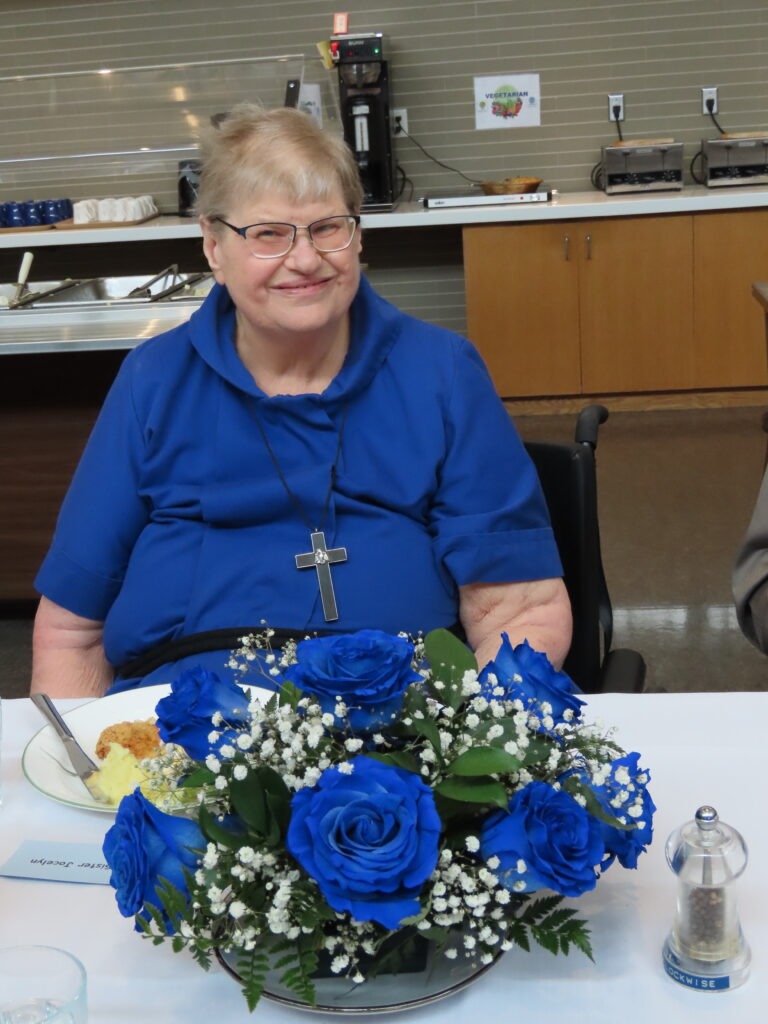
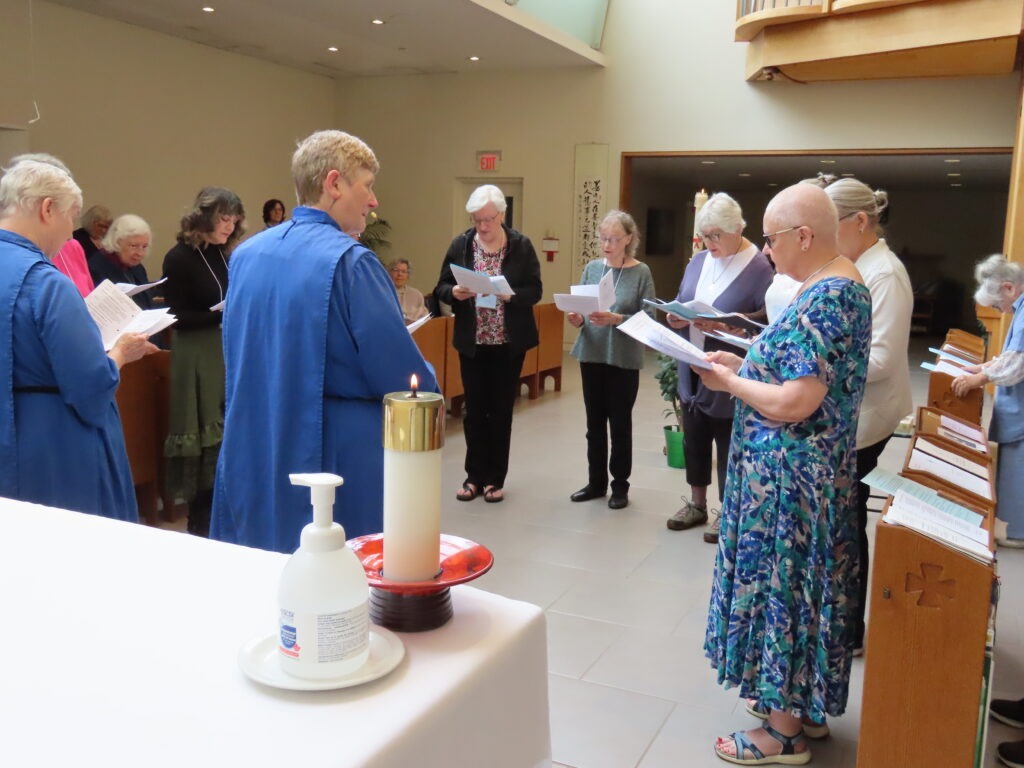
This week, the Sisterhood celebrated the fiftieth anniversary of Sister Jocelyn’s life profession. Old friends, fellow sisters, members of clergy, and others from near and far made a joyful noise as Archbishop Linda Nicholls celebrated a special Eucharist to commemorate Sister Jocelyn’s vows. Readings were made from the prophet Isaiah, Psalm 119, and the Gospel of John. Afterwards, a talking lunch was served in the Refectory, with good conversation lasting late into the afternoon.
Sister Jocelyn entered the convent in 1969 at the age of twenty-six. Then as now, discerners undergo a process of up to six years to truly understand and comprehend the sacred call of monastic life, and to prepare them for the requirements of religious life. She took her final vows in 1976- fifty years ago on May 1.
Sister Jocelyn spent many years in the Sisterhood’s chapter houses in Victoria, BC, and Edmonton, AB. Sister Jocelyn took on the Altar Linen department in 1978 and remains an exceptionally skilled white- and needleworker. She also became deeply engaged in the broader healing ministry of the church: she was involved with the Toronto Diocesan Healing Committee and the Miriam Dobell Centre Committee. She was inducted into the Order of St. Luke in 1978, and was the first lay chaplain in Canada, making her the heartwood of one of the most important pastoral and spiritual care traditions for the Anglican Church.

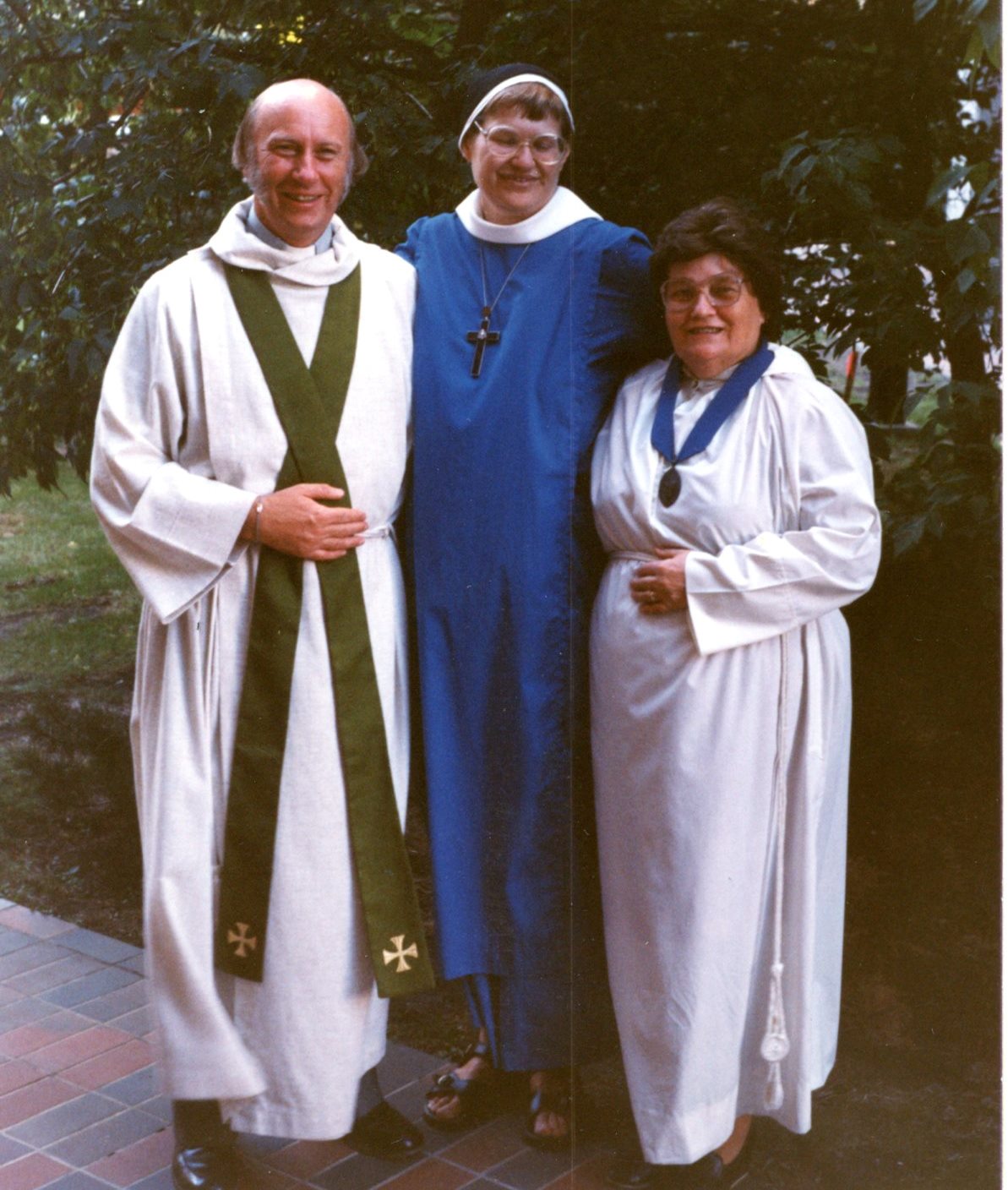
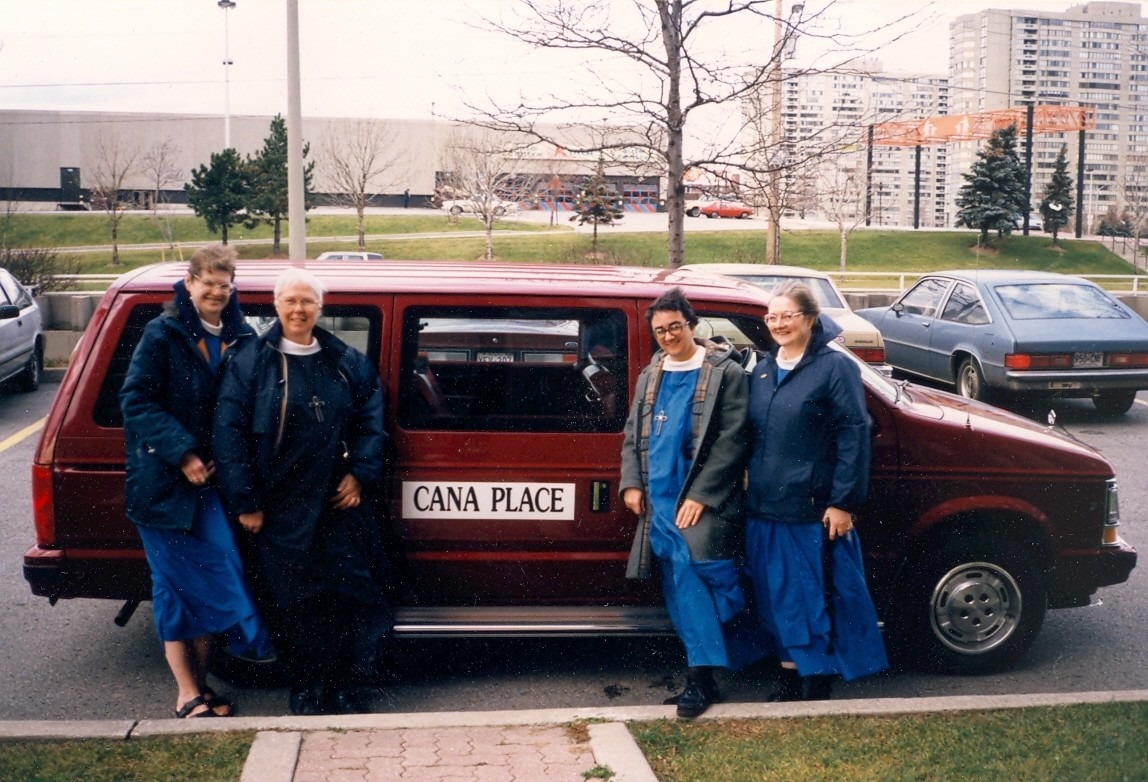

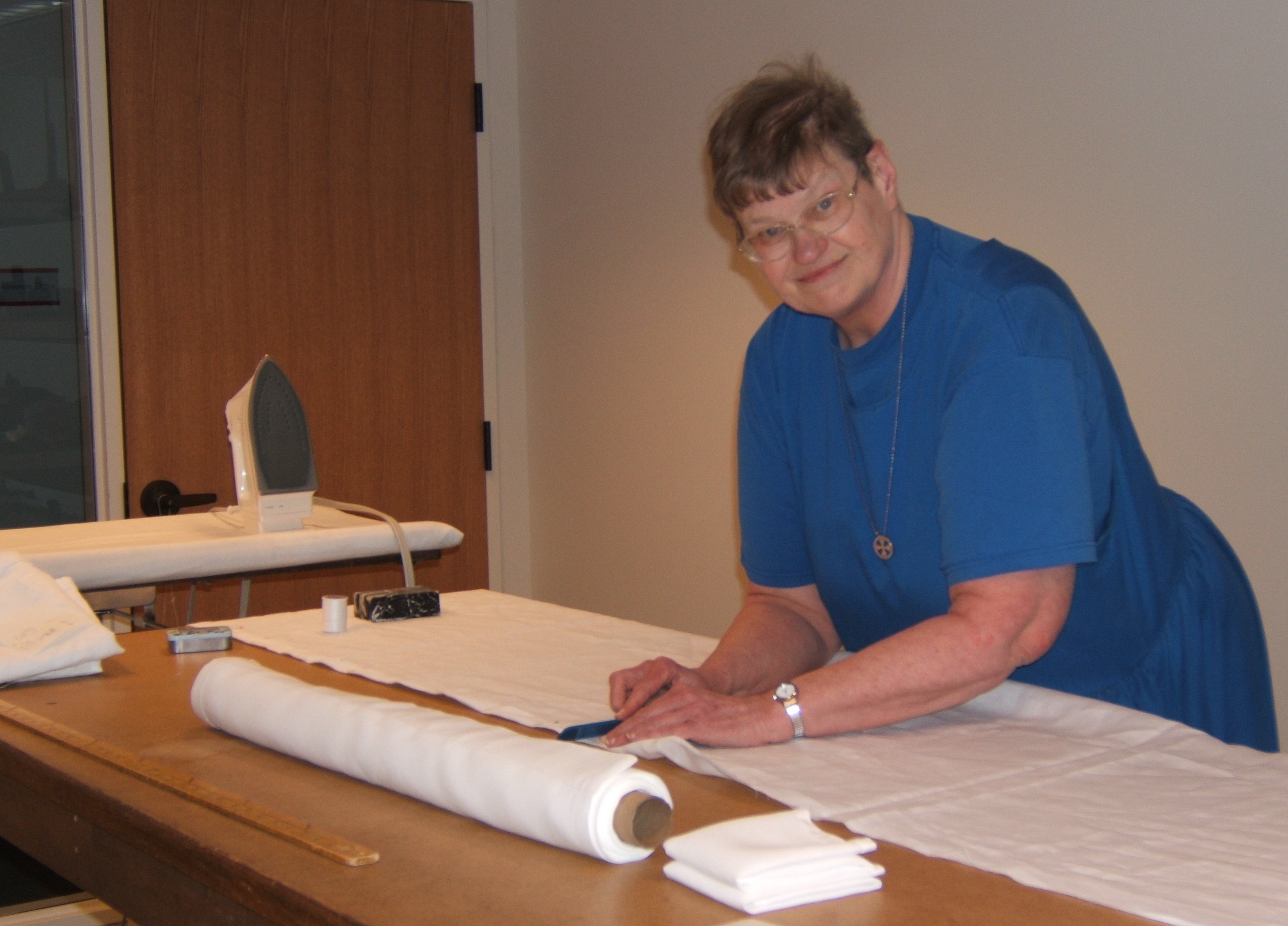
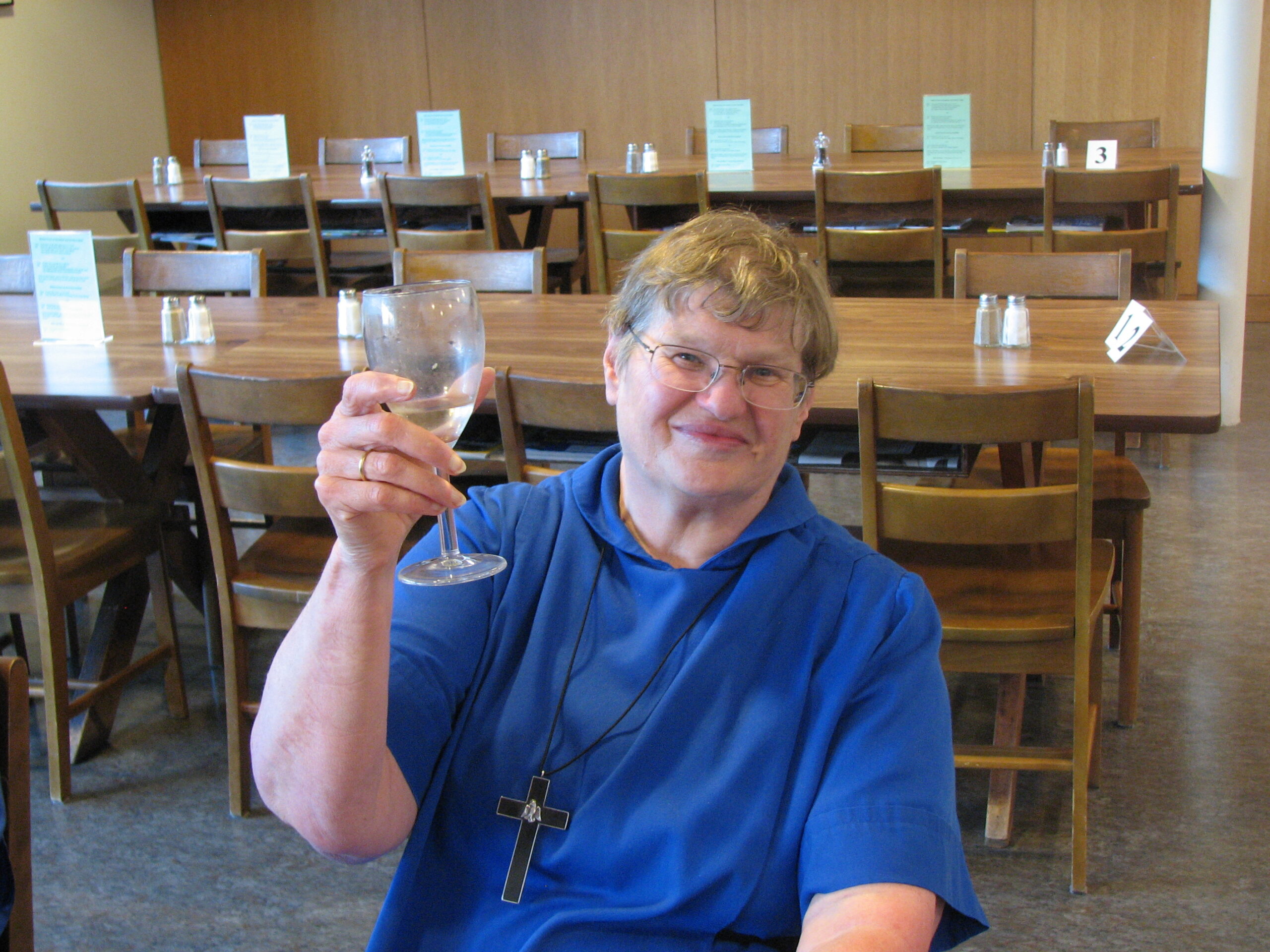
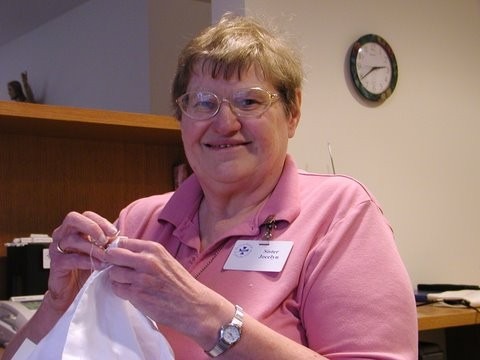
Sister Jocelyn’s remarkable life reflects the Sisterhood’s mission of witnessing to Christ’s love through prayer, healing, and service: a mission she has lived with remarkable faithfulness for more than five decades. May 1 also marked Sister Doreen’s 54th anniversary of life profession, and Sister Wilma’s 69th.
Only a short weekend later, more than twenty oblates joined the Sisterhood and Guest House for their first triennial since 2019! It has been a long overdue homecoming for many of these women, who have come from as far as Michigan and Nova Scotia to be here. It is a blessing for me to have been present in the midst of their retreat, which continued the feeling of celebration well into this week. The joyous ring of frequent laughter has made its way from the Conference room as the Oblates reconnect, renew, and reflect on their callings.
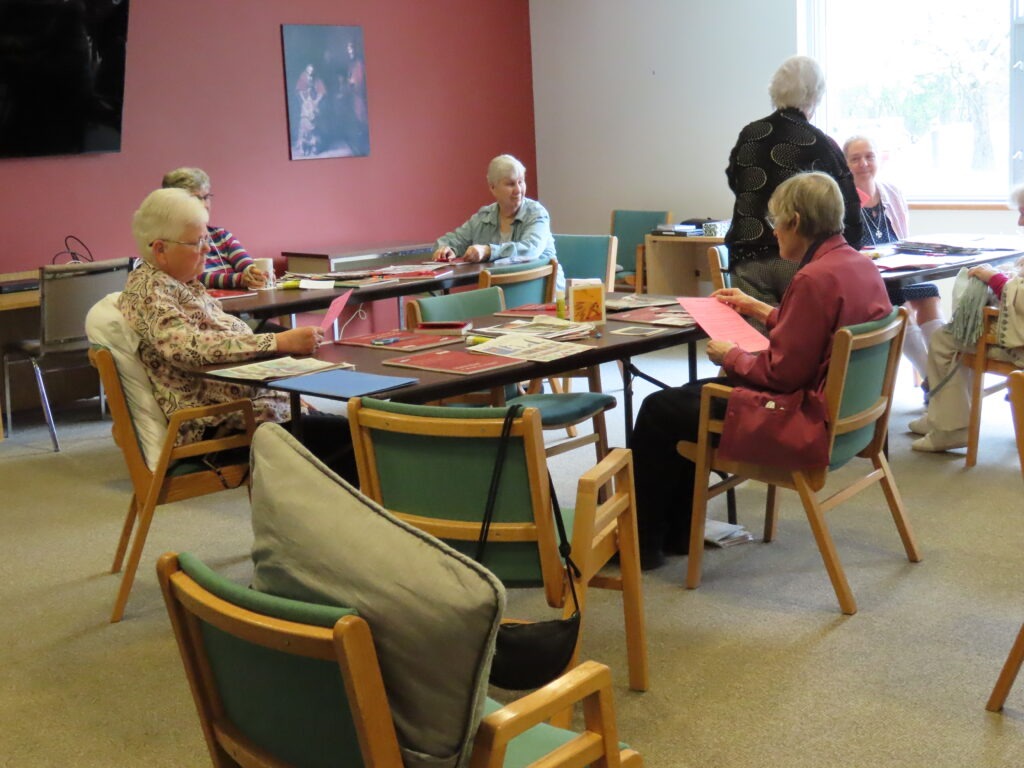
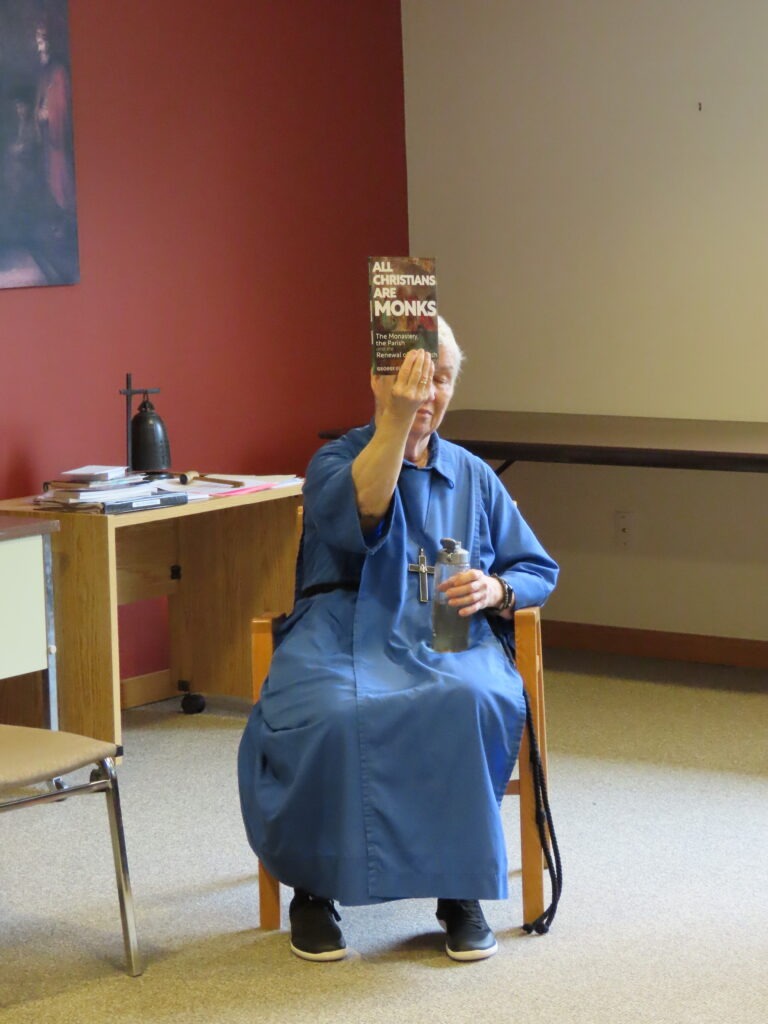
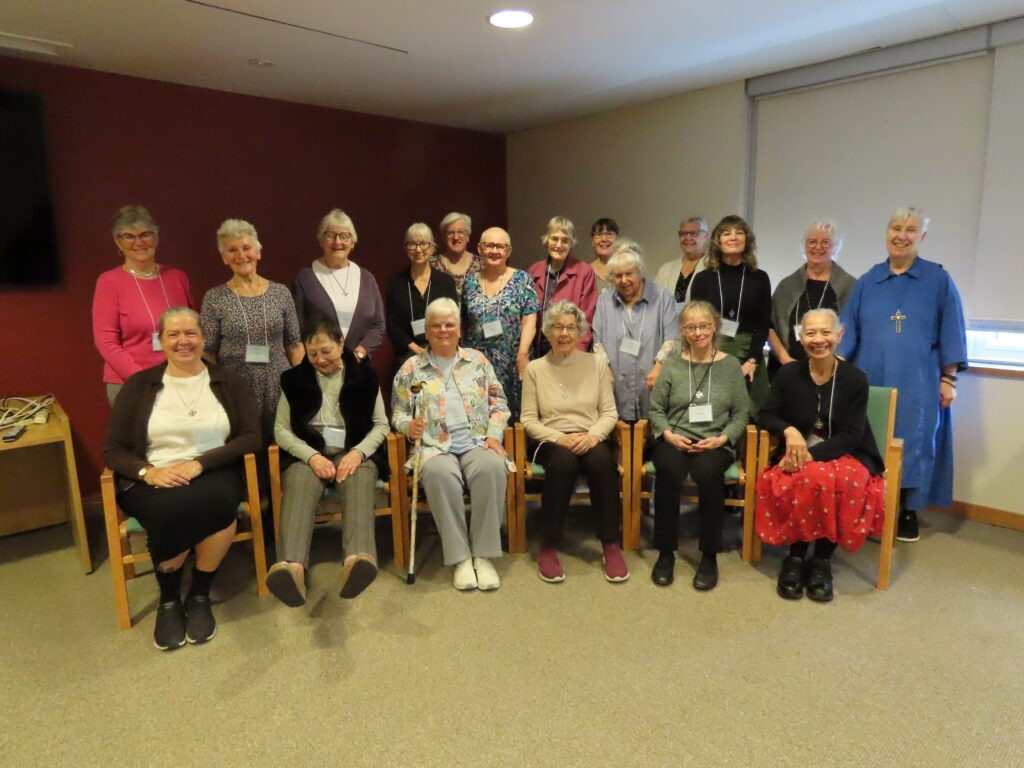
On Sunday, to crown off the Trienniel, the Oblates and Sisters attended a Quaker meeting at the Lowther meeting house in downtown Toronto. The silent service was followed by a shared meal and fellowship, and the Oblates later convened at Swiss Chalet for a farewell dinner. Spirits remained high as the Oblates began their journeys home on Monday morning, taking breaks from packing and saying farewells to help the sisters organize the reception area. The celebratory spirit prevails even at goodbye: there is a clear-eyed faith for the future. Many will return soon to keep their oblate vows of residence, and the friendships that help transform spiritual vocation in a life lived will persist through Zoom meetings and online correspondence, and the shared faith of mutual dedication to the mission of the Sisterhood.
Our last piece of news for this post is that the Convent’s Guest House was featured in the Chinese-language publication 星岛 Sing Tao! You can view the article here. We are incredibly grateful to Winnie for bringing her passion for the Convent’s work to showcasing the Guest House. We are delighted to be able to expand our offerings to an even wider and more diverse audiences. You can read the English translation after the break at the end of this post- thank you, Winnie, for providing the translation!
For now, the sun is shining and promising to froth the garden with even more blossom. Wishing all of you deep peace and many blessings for the start of your week.
Finding a way to be quiet in the city
When a person truly stops and enters a retreat—what happens?
In Toronto, there is a place that invites you to be silent. Not just turning off your phone for an hour, but an extended period of no speaking, no scrolling, no interruption from messages.
But have you had this experience? When you are alone at home, you turn on music, or unconsciously scroll social media, avoiding the feeling of solitude.
Silence, quietness, retreat—whatever name it takes, the core question is always the same: in a noisy city, can people truly become still? And once they do, what happens?
With curiosity, unease, doubt, and a bit of expectation, a journalist and photographer entered the retreat center of The Sisters of St. John the Divine in North York.
A space that does not demand answers
This religious community, founded in the 19th century and part of the Anglican Church of Canada, once established Ontario’s first rehabilitation hospital. After two years of renovation, it reopened as a retreat center. The exterior is unassuming, yet it creates a pocket of calm in the middle of the city.
There are 32 rooms, designed in extreme simplicity: a bed, a desk, a lamp, and a window facing greenery. No television, no excess. At first, this simplicity feels unsettling—almost unfamiliar. It seems as if something habitual is missing, yet it brings a rare sense of clarity. Greg Kennedy, who coordinates spiritual direction and retreats, says the simplicity is meant to show: “life does not actually require so much.”
The chapel space is shaped by light. High ceilings and stained-glass windows allow light to move slowly through the day. The Sisters pray several times daily, but visitors are free to participate—joinning or sitting alone in a corner. It is a place open to all beliefs, offering city dwellers a place to pause and notice what exhaustion has covered up.
Walking into the labyrinth: realizing that slowness can be felt
Outside, there is a circular stone labyrinth. Unlike a maze, it has no forks in the path and no way to get lost—only a single path that slowly leads toward the center.
Greg says people walk at their own pace. Some finish in eight minutes; others take much longer.
On the first attempt, there is often urgency—the city habit of rushing forward, eyes fixed on the center, steps trying to speed up. The instinct is simply to “complete” it. But that time, it was not truly finished.
On the second walk, the steps naturally slow down. The body begins to open senses that are usually shut off: the smell of wet grass after rain becomes clearer, the humid air touches the skin more noticeably than usual in Toronto. Birds call in rhythm, and one bright red bird appears.
After more than twenty minutes, reaching the “end” reveals something simple: the anxiety of not being able to be still may only be a long-held habit.
A lunch where speaking is not allowed
At lunch, four people sit facing each other. People who were talking casually earlier must now share silence.
The feeling is strange.
There is a subtle tension in the air. Humor and social habits no longer function. Even though others are physically close, language cannot fill the space. Restlessness rises and falls like tides. There is a strong urge to break the rule, but everyone else remains silent, eating, or looking out the window.
To be honest, it is not enjoyable in the way one might expect beforehand, nor is it possible to fully savor each bite.
This first experience feels like a struggle of will: restraint, discomfort, and internal conflict. Yet within this discomfort, one slowly realizes that silence is not an instinct—it is a skill that must be relearned.
Someone listens to you, but does not decide for you
After settling, visitors may choose to take part in “Spiritual Direction” in English or Chinese. Winnie Siu, who spent two decades in the banking sector, now guides others in connecting with their inner life.
In conversation, answers are not the focus. She repeatedly asks: “What were you feeling just now?”
The discussion moves from the experience of the labyrinth to personal struggles. Without noticing, I ended up sharing more and more, slipping into analytical thinking. At that point, the guide gently brings attention back to the present moment, back to awareness itself.
“Many people are used to analyzing, but they overlook feeling,” Winnie says. “The purpose of accompaniment is to help people hear themselves first.”
This kind of dialogue, focused on “hearing oneself,” is more powerful than it first appears.
It is a quiet process—unobtrusive but real—like gradually capturing a vague feeling from the labyrinth experience, enlarging it, and allowing the person to make it clearer themselves.
Not meditation, not escape
The retreat practices Ignatian spirituality, which focuses on awareness in everyday life. Greg believes retreat is not about escaping reality, but temporarily stepping away from routine patterns so what is usually ignored can surface.
Many people worry silence will feel awkward, especially during meals. But he says that discomfort usually fades. “When you settle in, you realize you do not need small talk, and you do not need to fill silence—it is actually fine.”
He acknowledges that discomfort is normal, because it is often in discomfort that people begin to see themselves.
“If we unconsciously repeat our life patterns, it is hard to understand ourselves. When you are willing to pause, you may begin to appreciate your ordinary life more.”
When people begin to hear themselves again
Does this retreat change life completely?
Not necessarily.
Work remains. Stress does not disappear.
But something shifts. When the pace slows, the reasons behind actions become clearer. Greg says the worst outcome of trying a retreat is simply spending a few days in silence—and discovering that you can do it.
More often, people realize something simpler: they are more capable of being with themselves than they thought.
In a city that values speed, stopping becomes an act of courage. This space does not provide answers. It simply allows people to put down external noise for a moment, and meet themselves again in silence.